CDU and direct liquid cooling
Transfer heat between the technical cooling system and facility water loop with compact, high-capacity brazed exchangers designed for low approach temperatures.
Heat exchanger solutions for direct liquid cooling, CDU systems, immersion cooling and high-capacity central cooling plants.
Select the heat exchanger around the cooling architecture, thermal duty, approach temperature, pressure drop and available footprint.
HEXONIC solutions cover the primary heat-transfer positions in modern data-center liquid-cooling systems.
Transfer heat between the technical cooling system and facility water loop with compact, high-capacity brazed exchangers designed for low approach temperatures.
Remove heat from dielectric oil and transfer it to glycol or water circuits using compact brazed plate heat exchangers with controlled pressure drop.
Connect technical and facility water systems, support very high flow rates and increase the operating window for economized cooling.
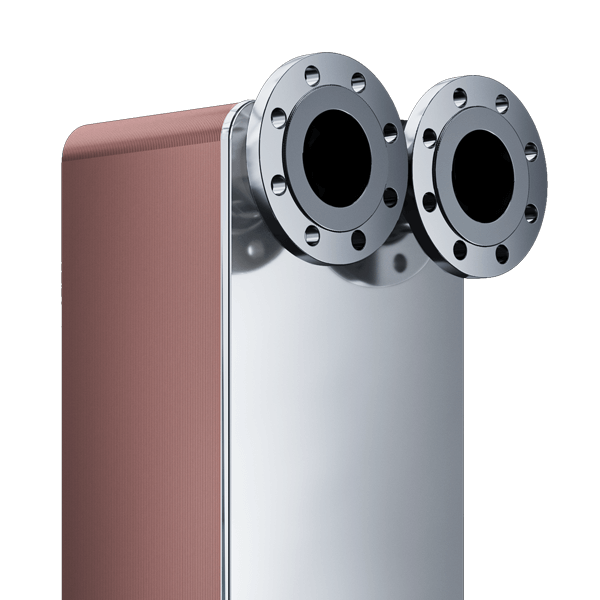
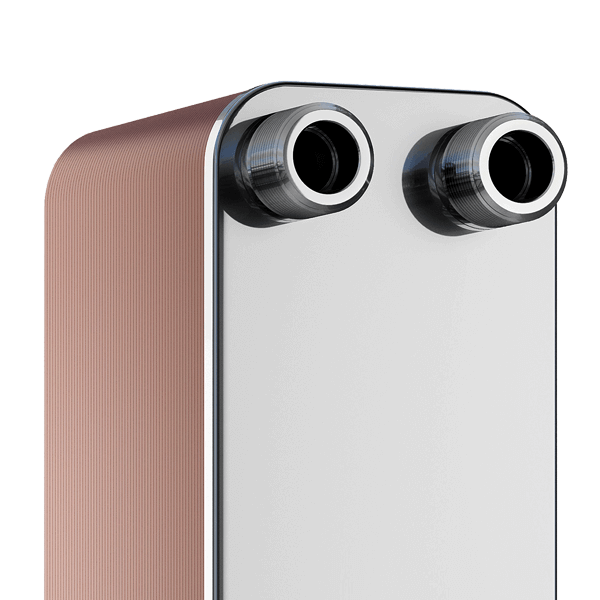
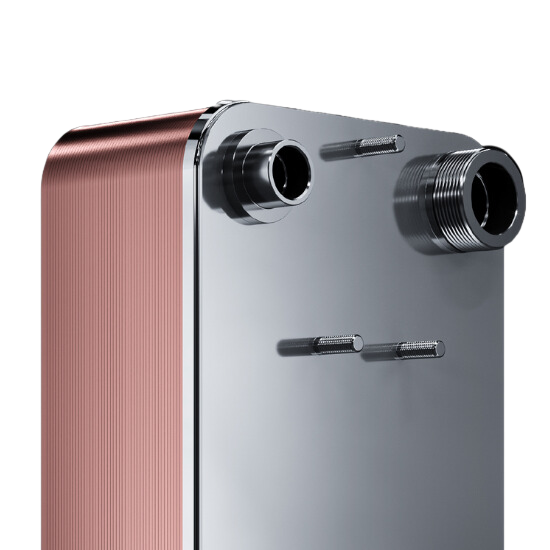
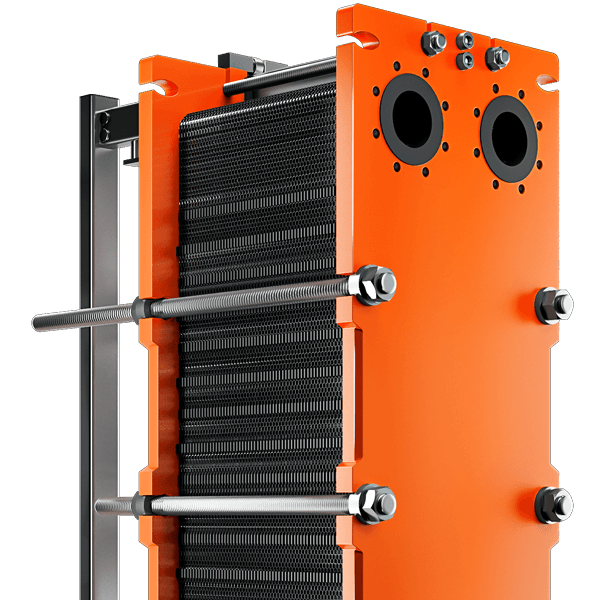
Four exchanger formats for the main liquid-cooling duties, from compact CDUs to central cooling plants.
Selected U.S. data-center hubs shown on an interactive state map.
Support for data-center cooling projects where thermal performance, hydraulics, materials and service strategy must work together.
Connect directly with the people supporting data-center and liquid-cooling projects.
Data Centers & Liquid Cooling
Share the thermal duty, fluids, temperatures, pressure-drop target and available footprint. We will use the operating point to identify a suitable exchanger configuration.